Montana History
Hennepin County Fishing Reports
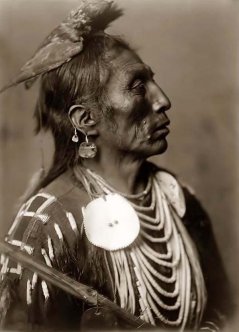
Way before the first Europeans ever set foot in what is now the state of Montana, there were several Indian tribes that lived in the area, and the territory among the tribes changed from time to time, due to battles over hunting grounds, or to have control of strategic lands that would aid them in future battles to come among the various tribes.
With new archaeological digs taking place, we are finding more earlier settlers than previously realized.
More information is coming forward when it comes to the vast reach of Montana history. Historical account still pours in, offering further documentation on what took place in our great state. The history of Montana has been long, and brutal in some aspects, and in other's long, and peaceful before the first settlers came into play. From the Montana Sioux, to the history of the Nez Perce. From Indian battles to tribes doing best they can to survive, while enduring the change of the times. So keep checking back for more additions to the site, and learn more about the history of Montana, and prior to the state's existence.
Stepping back in time, one would find the Arapaho, Assiniboine, Blackfeet, Cheyenne, Crow, and the Gros Ventre who stuck to the plains of Montana, and heavily depended on the buffalo,a nd also were gatherers,and farmers.
To the west in the mountainous regions of the state, you would have encountered the Bannock, Salish, Kalispell, Kootenai, and Shoshone Indian tribes.
Many other tribes as well such as the Sioux, Mandan, and Nez Perce lived in the Montana territories as well. The state is not only rich in minerals, and fossils, but the heritage as well among the many tribes who lived here. As I mentioned above, the land changed hands many times in the history of the tribes here, and the Native American history alone would take months, if not years to discuss. The history alone, and the hardships they faced at the end is what most hear, or read about, and the tales that were passed down among them before the first Europeans arrived have been all but lost.
It would be so interesting to know more about the first nomadic people who first set foot in the state. Archaeology shows many of them were following the buffalo, and artifacts found along with pictographs that date back 1000's of years. Some of these ancient travelers stayed, and made their home here, as suspected with some of the various tribes mentioned above who they themselves migrated here at one time.
One thing that's interesting is many of these tribes arrived in the region in the 16th & 17th centuries, but it is suspected some of them may have been here when many of these tribes migrated from elsewhere. Such as neighboring Wyoming, and north from Canada.
It would be very interesting to go back in time, and watch after the last glacier retreated, who were the very first here, and what became of them? One would have to assume they were also tribal people to some degree, but maybe conditions 1000's of years ago the terrain wouldn't support large groups of people, and it was more families that traveled together. Farming really didn't start till the 15th & 16th centuries. Yes,Indians grew crops, vegetables, and harvested the wild edibles off the land, but certainly not at that time.
First Europeans In Montana
It's believed the French were the first in the area at one time, and sadly there are no records in any museum to support this, but strongly believed they were the first, because of personal diaries more so in the way of maps, and notes of exploring new trapping grounds.
What's disturbing, is that's all they recorded, because it would have been very obvious they would have encountered many of the tribes in the region, and could have added clues to some of the Native American history from their perspective. Every first trail from previous explorers, have more notes attached to the maps of their exploration recording, and much of that included the contact with the Native Americans, compared to the earlier recordings by the French in this region. Reason for being, remains disputed to some degree by the historians on why, but that's a story in itself, so at the present let us stick to the Montana history.
Even though a lot of history starts from the Louisiana Purchase of 1803, there is no mention of the Spanish exploring up this way, but they came close to the borders of what now is Montana.
The first documented exploration was from the explorers Lewis & Clark, who made their was all across Montana, to what is now Oregon,and arrived there in 1805. I would so love to read the details of their reports, and journals. From my readings they really did a swell job getting along with the Native American communities, and won more than one Chief's heart over in friendship.
Out of the entire expedition, only one clue, or should say proof of their travels exist today along the path they took. Clark edged his name, and the date July 25th 1806 into a sandstone pillar, 25 miles north-east of Billings. This sandstone pillar is named, and known by Pompey's Pillar. That's an interesting fact not to many are aware of, and glad it's still there to this very day.
Things certainly did change later on of course after their travels, and we'll touch a little on that subject.
After their journey was complete, reports were handed over to President Jefferson on their experiences,and discoveries. It didn't take long for trappers to head into the region, trying their luck on the vast resources of fur to be trapped.
1806 many more explorers, and those with adventure in their blood, explored parts of Montana. Both coming, and some heading back after a beating of the elements. The gamble here was the weather, and also if one could negotiate with the local Indian tribes. So much was against them, but one who had a head on his shoulders, and one who conducted himself in a positive manner with the local tribes, often could make it here in the state if they didn't fall victim to the Montana winters, or starve to death being inexperienced adventurers in the toughest wilderness the new world had to offer.
Regardless, the strong minded individuals who made it, opened the door to the rest of their fellow trappers, and in 1807 things really picked up in the territory. The next 3 decades would be a boom, but as mentioned earlier, with these accomplishments came sacrifice. In many cases with their lives trying to make a living of the bounty of the land, one can't feed themselves off the beauty, and what stood before them.
Then in 1841, Jesuit missionaries upon request from some of the local Indians, particular the Iroquois who migrated here with the Hudson Bay Company, before they moved further south to the Missouri River, hired them as trappers and they ended up staying in the area, and later on blended in/adopted by the Salish Tribe, also know as "Flatheads". They enjoyed the stories from the missionaries that they learned over the century, from previous missionaries in the territory, and sent representatives to St Louis Missouri, asking if a "black robe" aka priest would come live among them, so they could learn more.
The Nez Perce were also Christian Indians, and adopted the belief, and the missionaries felt the need was there, and thus in 1841 set out for Montana to do just that.
Then on September 24 in 1841, Father Pierre Jean DeSmet, with his other fellow Jesuit missionaries arrived in the Bitterroot Valley with their belongings, and supplies. They established the first white settlement in the territory, which is now the state of Montana. The news of the Black Robes spread, and before long Indians from several different tribes came to worship.
Unfortunately, a few years later the traditional enemies of the Salish, known as the Blackfoot caused the local Christian Indians to flee the territory in 1846, and thus it closed hoping to reopen, but never did. It did however reopen again, but at a different location farther south of the original location, which was later n purchased by a man by the name John Owen, who was a former army sutler who made it into a trading post. That too, closed some years later.
As of today, the Old St. Mary's stands as a monument, to those Christian mountain men dressed in black, whose efforts blazed one of the first trails into Montana, with the Cross, and their courage. They were adventurers themselves, and true pioneers of the wild west.
The American Fur Company, built Fort Benton in 1847 on the Missouri River. The town that formed there is Montana's oldest, and continuously populated town. Many call it the birthplace of Montana, and we couldn't began to tell you the heritage, and history this community holds.
Those into the history of the region, really take notice of it's location, due to the fact it's along the Lewis & Clark National Historic trail, the Nez Perce National Historic Trail, and is the entryway to the Missouri River Breaks National Monument.
Fort Benton, first gained its notoriety as a buffalo robe trading post, then later on with the discovery of gold in the Montana and Idaho regions. It created a firestorm of migration into the area, from those seeking a mew life with the possibility of fortune, and if any of you know Montana history, it also brought its share of criminals, thieves and murderers into the area.
Business, along with prostitution lived sided by side here, and the liquor consumption was that of any Kansas cattle town.
The location of Fort Benton, played such a critical role in the expansion of the West, that in itself is one of the greatest National Historic Landmarks in all of Montana.
Gold Discovered
The Gold Rush in 1862, produced many who struck it rich in Grasshopper Creek, in southwestern part of the state at that time. Gold strikes sprung up from all over the state, and mining camps grew around the gold fields that were wild in nature, and many times lawless. Bannack, Diamond City, Virginia City, and and many other mining camps were not only booming communities, but communities with law unto themselves.
One interesting piece of history regarding the lawlessness in the camps, involved the two biggest gold camps. Those were Bannack, and Virginia City Mining. The mining camps learned that the acting sheriff by the name Henry Plummer, was actually an outlaw. A reputed leader of a gang of thieves, and murderers.
These two mining camps started a vigilance committee, to rid themselves of these killers. In the end, Sheriff Plummer was hanged, and 21 members of his gang. One can only imagine the unsolved murders, and robberies back in those days. The time came for many, that it was time to clean up the towns from the ruthless outlaws.
Montana was part of a lot of territories back then, part of Idaho, Montana itself, Wyoming etc. It was still a vast chunk of land created from the Louisiana Purchase. A man of influence in Idaho, by the name Sidney Edgerton sought to change things for the better. The lawlessness, was the law of the land in the territory, and he traveled to Washington to plead his case, to establish the territory of Montana as an official territory, in doing so Montana ended up becoming a territory on May 26th 1864.
Montana History Of The Cattle Days
Along with the gold rush, came the start of the cattle industry,and that started around the middle of the 1850's, when a trader by the name Richard Grant, drove in the first herd to the area. He trail drove them from Oregon.
Raising cattle had its hardships as well. In particular the harsh winter one would face, that would not only kill man if not prepared, but his livestock as well.
One such instance, was the deathly cold winter of 1886-1887. Thousands of cattle perished in that cold winter, and after that ranching continued only on a small scale. It's hard to imagine having a boom ending so soon, but those who have been through the Montana winters, know this to be true.
Indian Uprisings
One battle that's mentioned in every history book, is the slaughter of the 7th Cavalry under a man name Lieutenant Colonel George A. Custer. This battle took place near the Little Bighorn River in south-eastern Montana. Indian battles continued for decades to come. Know as The Battle Of Little Big Horn.
As far as the true account on exactly what happened, to cause the annihilation of the 7th Cavalry remains debated till this very day, among some of the historians who have researched the campaign of George Custer. Archaeological digs are shedding more light, but still a lot of speculation continues among historians.
One thing can be said for certain, he most definitely misinterpreted the enemy on this occasion. Whether on their strength in numbers, or the location in which fought, but if the location is to blame for his demise ,then he most certainly had no right to be out there in the first place, trying to surprise attack a Sioux camp that some say was as much as 4 miles long.
The various assumptions will always remain what happened. One thing that is odd about Custer, and The Battle of Little Big Horn, is the propaganda that went along with the reports, on the true events that took place, on those two bloody days of June 25th-26th in 1876. The Government portrayed him as a hero to its citizens, but on the other side of the coin many soldiers despised him, and his intelligence as well.
The Sioux may have won the battle, but in the end lost the war. By 1880 they were forced on to reservations. Newer rifles were issued 2 1/2 later, and with the bison severely declined in numbers they stood no fighting chance, and starvation was the only way out if so.
10 years later, the 7th Cavalry also had a key role in the South Dakota Massacre at Wounded Knee, in 1890. This was a horrible tragedy to the Sioux, and another instance of what would have faced the Sioux at Little Big Horn 10 years earlier.
The last of the Indian battles, had to do with the Nez Perce Indians. They were a peaceful people, and even Lewis & Clark admired their people greatly, and noted on several occasions how friendly, and helpful they've been to them.
Their story is something that should be always remembered, and surprised a motion picture movie on their struggle has not popped up in a Hollywood Script, but perhaps the cruel parts of history toward the American Indian is best left forgotten by many, not wanting to face up to it's realities.
The Nez Perce leader by the name Chief Joseph, led his tribe toward to Canada, retreating from the U.S. Army. Starting from Idaho, and criss-crossing through the territory up this way on a 1700 mile retreat, like no other retreat in the history books in comparison.
During this retreat, which could be described as a whole village on the run, with over 2000 head of horses, 500 + women, not to mention the children, and only 250 Nez Perce warriors to defend them. They did what no other fighting force at the time could have ever hoped to accomplish.
Their hopes were dashed when the Crow Nation refused to give them refuge, and their only other alternative was to seek refuge in Canada.
Several battles took place while on this retreat, and the Nez Perce held off much larger U.S. Army forces, and even won many of the battles. The strategic moves the Nez Perce did, are still taught today in many military academies.
The Nez Perce knew they couldn't hold out forever, and had the view once, if a surrender did take place, it wouldn't be a harsh surrender .In other words, they had the belief the terms of their surrender, wouldn't be no worse than prior to their retreat. They were drastically wrong having that assumption.
Their downfall came when they set up camp at the slopes of the Bear's Paw Mountains in Montana, only 40 miles from the Canadian border.
A surprise attack on the Nez Perce camp, on June 30th of 1877, led by General Nelson Miles, who was dispatched from the Tongue River Cantonment, to prevent their retreat into Canada, along with any other tribe of Indians who were seeking refuge across the border, was the end for the Nez Perce.
They were surrounded, and was a stalemate for some time. Eventually Chief Joseph surrendered, and vowed to fight no more.
Terms of the surrender were never honored, and the Nez Perce were herded to Kansas on useless, and swampy lowland.
After pleading with the U.S Government, they were eventually allowed to return to the North West, in the state of Washington in 1885. That was what was left of them after disease, and other sickness that just about wiped the Nez Perce out of existence. Chief Joseph, and his people were never allowed to return to their homelands in Idaho. He died in 1904, and many said from a broken heart.
Montana Becomes the 41st State & The Political Atmosphere
With the Indian threat gone, many who feared them from the East began their journey to Montana. From 39,000 in residents in 1880, to 143,000 10 years later in 1890.
The attempts at statehood started. With the big money being made from the mines ,then along with the population growth off them, created an atmosphere for statehood. Especially among the wealthy of residents.
Such as owners of multiple mines, and land owners such as Marcus Daly, and William Clark. The vast resources in the ground around Butte, with the gold, silver,and the rich veins of copper made a man who could run things, became a mighty wealthy man indeed.
Statehood Is Granted
Eventually of course, Montana got its statehood, and became the 41st state in the nation.
That's when the politics really heated up, especially among the wealthy mine owners. After all, they could afford to buy their way into office at any cost. Kinda like how government is today. Things really never change, just the words in describing the events, and please note this is a historical article, and one has to acknowledge the truth of history.
That's why in Montana, the saying goes "Things never change", and here is the story of Marcus Daly, and William Clark.
Two copper kings by the name William Clark, and Marcus Daly who both controlled some of the richest mines in Butte. At first it was just business, that gave them competition with one another, but soon it got political as well. Two men who disagreed on anything that they didn't have their fingers in.
Each created a town/community, and put their efforts into that, and of course their politics as well. With Montana being a new state, both felt they should have the powers of a Senator. Sometimes going over old history, is like reading today's headlines..:)
From trying to influence where the state capital should be, to now wanting to be U.S. Senators. It would be curious to know the Governor's position in all this, and hopefully someday more will be added to this story. He would have to know some, because the accusations of ballet stuffing between these two gentleman reached as far as New York, in their communities, and local newspapers.
In 1899, William Clark won the election for the U.S. Senator Seat, then was accused of bribery afterwards. He resigned rather than go through an investigation by the Senate committee. I have no idea what would have become of an investigation of the sort back then. It could be he was more worried about his reputation than anything. Curious enough two years later he won the second election, with the help of another wealthy mine owner by the name F. Augustus Heinze. He was a clever man in all areas of his life, such as law, and taking advantage of these laws in the courts.
It wasn't long till bigger opportunists came into Montana. One such company was called the "Anaconda Company". It wasn't long till Marcus Daly, and the other wealthy mine owners sold their claims, and properties to them for top dollar. Some of the richest people, and organizations in the world had various interests in the mines of Butte.
This new company built electric powers stations, railroads, and major dams. They also controlled some of the large forests in the state, banks,and newspapers. They were truly known as the backbone of the state, with control of the largest copper mine in the world, and Butte Montana was known as the "richest hill on earth".
Montana boomed, and played a major role in the countries economy at the end of the 19th, and the beginning of the 20th centuries, up until the great depression, and no place on Earth was immune from the Great Depression of the 1930's.
With the droughts through out the country, then the lack of needs for metals due to the lack of production in manufacturing, Montana was hit hard in the loss of jobs. Montana "was metal" back in those days, and a state dependent on the sale of it
As with every state, Montana had opportunities, such as some of the federal programs Washington had going to develop Montana's resources further. Such as the Ford Peck dam ,that when finished would help ease the suffering of the farms, and ranches with irrigation. The droughts through out the country played a major role as well, causing even further infliction of the hardships.
Things got better through out the country, at the beginning of the 2nd World War. The need for metal was essential to the war effort. The farms producing meat, and grains were unable to keep up with the demand. Things were booming once again, at least until the war ended.
Final Notes -->
Montana's history has so many branches one can take, that every story one begins to read, a new branch within the story takes place.
Montana history is still being made today in the making. There are so many interesting facts, and stories left out of the history books yet to be discovered, and hope more stones are turned over in time, to add more on the encyclopedia of the subject.
Next week we'll be adding more historical events, and go into detail on some of the older towns here in the state, including many of the famous Montana ghost towns.
In the mean time, here are some further research sources regarding history of the early days of America.
Colorado Forts
Way before the first Europeans ever set foot in what is now the state of Montana, there were several Indian tribes that lived in the area, and the territory among the tribes changed from time to time, due to battles over hunting grounds, or to have control of strategic lands that would aid them in future battles to come among the various tribes.
With new archaeological digs taking place, we are finding more earlier settlers than previously realized.
More information is coming forward when it comes to the vast reach of Montana history. Historical account still pours in, offering further documentation on what took place in our great state. The history of Montana has been long, and brutal in some aspects, and in other's long, and peaceful before the first settlers came into play. From the Montana Sioux, to the history of the Nez Perce. From Indian battles to tribes doing best they can to survive, while enduring the change of the times. So keep checking back for more additions to the site, and learn more about the history of Montana, and prior to the state's existence.
Stepping back in time, one would find the Arapaho, Assiniboine, Blackfeet, Cheyenne, Crow, and the Gros Ventre who stuck to the plains of Montana, and heavily depended on the buffalo,a nd also were gatherers,and farmers.
To the west in the mountainous regions of the state, you would have encountered the Bannock, Salish, Kalispell, Kootenai, and Shoshone Indian tribes.
Many other tribes as well such as the Sioux, Mandan, and Nez Perce lived in the Montana territories as well. The state is not only rich in minerals, and fossils, but the heritage as well among the many tribes who lived here. As I mentioned above, the land changed hands many times in the history of the tribes here, and the Native American history alone would take months, if not years to discuss. The history alone, and the hardships they faced at the end is what most hear, or read about, and the tales that were passed down among them before the first Europeans arrived have been all but lost.
It would be so interesting to know more about the first nomadic people who first set foot in the state. Archaeology shows many of them were following the buffalo, and artifacts found along with pictographs that date back 1000's of years. Some of these ancient travelers stayed, and made their home here, as suspected with some of the various tribes mentioned above who they themselves migrated here at one time.
One thing that's interesting is many of these tribes arrived in the region in the 16th & 17th centuries, but it is suspected some of them may have been here when many of these tribes migrated from elsewhere. Such as neighboring Wyoming, and north from Canada.
It would be very interesting to go back in time, and watch after the last glacier retreated, who were the very first here, and what became of them? One would have to assume they were also tribal people to some degree, but maybe conditions 1000's of years ago the terrain wouldn't support large groups of people, and it was more families that traveled together. Farming really didn't start till the 15th & 16th centuries. Yes,Indians grew crops, vegetables, and harvested the wild edibles off the land, but certainly not at that time.
First Europeans In Montana
It's believed the French were the first in the area at one time, and sadly there are no records in any museum to support this, but strongly believed they were the first, because of personal diaries more so in the way of maps, and notes of exploring new trapping grounds.
What's disturbing, is that's all they recorded, because it would have been very obvious they would have encountered many of the tribes in the region, and could have added clues to some of the Native American history from their perspective. Every first trail from previous explorers, have more notes attached to the maps of their exploration recording, and much of that included the contact with the Native Americans, compared to the earlier recordings by the French in this region. Reason for being, remains disputed to some degree by the historians on why, but that's a story in itself, so at the present let us stick to the Montana history.
Even though a lot of history starts from the Louisiana Purchase of 1803, there is no mention of the Spanish exploring up this way, but they came close to the borders of what now is Montana.
The first documented exploration was from the explorers Lewis & Clark, who made their was all across Montana, to what is now Oregon,and arrived there in 1805. I would so love to read the details of their reports, and journals. From my readings they really did a swell job getting along with the Native American communities, and won more than one Chief's heart over in friendship.
Out of the entire expedition, only one clue, or should say proof of their travels exist today along the path they took. Clark edged his name, and the date July 25th 1806 into a sandstone pillar, 25 miles north-east of Billings. This sandstone pillar is named, and known by Pompey's Pillar. That's an interesting fact not to many are aware of, and glad it's still there to this very day.
Things certainly did change later on of course after their travels, and we'll touch a little on that subject.
After their journey was complete, reports were handed over to President Jefferson on their experiences,and discoveries. It didn't take long for trappers to head into the region, trying their luck on the vast resources of fur to be trapped.
1806 many more explorers, and those with adventure in their blood, explored parts of Montana. Both coming, and some heading back after a beating of the elements. The gamble here was the weather, and also if one could negotiate with the local Indian tribes. So much was against them, but one who had a head on his shoulders, and one who conducted himself in a positive manner with the local tribes, often could make it here in the state if they didn't fall victim to the Montana winters, or starve to death being inexperienced adventurers in the toughest wilderness the new world had to offer.
Regardless, the strong minded individuals who made it, opened the door to the rest of their fellow trappers, and in 1807 things really picked up in the territory. The next 3 decades would be a boom, but as mentioned earlier, with these accomplishments came sacrifice. In many cases with their lives trying to make a living of the bounty of the land, one can't feed themselves off the beauty, and what stood before them.
Then in 1841, Jesuit missionaries upon request from some of the local Indians, particular the Iroquois who migrated here with the Hudson Bay Company, before they moved further south to the Missouri River, hired them as trappers and they ended up staying in the area, and later on blended in/adopted by the Salish Tribe, also know as "Flatheads". They enjoyed the stories from the missionaries that they learned over the century, from previous missionaries in the territory, and sent representatives to St Louis Missouri, asking if a "black robe" aka priest would come live among them, so they could learn more.
The Nez Perce were also Christian Indians, and adopted the belief, and the missionaries felt the need was there, and thus in 1841 set out for Montana to do just that.
Then on September 24 in 1841, Father Pierre Jean DeSmet, with his other fellow Jesuit missionaries arrived in the Bitterroot Valley with their belongings, and supplies. They established the first white settlement in the territory, which is now the state of Montana. The news of the Black Robes spread, and before long Indians from several different tribes came to worship.
Unfortunately, a few years later the traditional enemies of the Salish, known as the Blackfoot caused the local Christian Indians to flee the territory in 1846, and thus it closed hoping to reopen, but never did. It did however reopen again, but at a different location farther south of the original location, which was later n purchased by a man by the name John Owen, who was a former army sutler who made it into a trading post. That too, closed some years later.
As of today, the Old St. Mary's stands as a monument, to those Christian mountain men dressed in black, whose efforts blazed one of the first trails into Montana, with the Cross, and their courage. They were adventurers themselves, and true pioneers of the wild west.
The American Fur Company, built Fort Benton in 1847 on the Missouri River. The town that formed there is Montana's oldest, and continuously populated town. Many call it the birthplace of Montana, and we couldn't began to tell you the heritage, and history this community holds.
Those into the history of the region, really take notice of it's location, due to the fact it's along the Lewis & Clark National Historic trail, the Nez Perce National Historic Trail, and is the entryway to the Missouri River Breaks National Monument.
Fort Benton, first gained its notoriety as a buffalo robe trading post, then later on with the discovery of gold in the Montana and Idaho regions. It created a firestorm of migration into the area, from those seeking a mew life with the possibility of fortune, and if any of you know Montana history, it also brought its share of criminals, thieves and murderers into the area.
Business, along with prostitution lived sided by side here, and the liquor consumption was that of any Kansas cattle town.
The location of Fort Benton, played such a critical role in the expansion of the West, that in itself is one of the greatest National Historic Landmarks in all of Montana.
Gold Discovered
The Gold Rush in 1862, produced many who struck it rich in Grasshopper Creek, in southwestern part of the state at that time. Gold strikes sprung up from all over the state, and mining camps grew around the gold fields that were wild in nature, and many times lawless. Bannack, Diamond City, Virginia City, and and many other mining camps were not only booming communities, but communities with law unto themselves.
One interesting piece of history regarding the lawlessness in the camps, involved the two biggest gold camps. Those were Bannack, and Virginia City Mining. The mining camps learned that the acting sheriff by the name Henry Plummer, was actually an outlaw. A reputed leader of a gang of thieves, and murderers.
These two mining camps started a vigilance committee, to rid themselves of these killers. In the end, Sheriff Plummer was hanged, and 21 members of his gang. One can only imagine the unsolved murders, and robberies back in those days. The time came for many, that it was time to clean up the towns from the ruthless outlaws.
Montana was part of a lot of territories back then, part of Idaho, Montana itself, Wyoming etc. It was still a vast chunk of land created from the Louisiana Purchase. A man of influence in Idaho, by the name Sidney Edgerton sought to change things for the better. The lawlessness, was the law of the land in the territory, and he traveled to Washington to plead his case, to establish the territory of Montana as an official territory, in doing so Montana ended up becoming a territory on May 26th 1864.
Montana History Of The Cattle Days
Along with the gold rush, came the start of the cattle industry,and that started around the middle of the 1850's, when a trader by the name Richard Grant, drove in the first herd to the area. He trail drove them from Oregon.
Raising cattle had its hardships as well. In particular the harsh winter one would face, that would not only kill man if not prepared, but his livestock as well.
One such instance, was the deathly cold winter of 1886-1887. Thousands of cattle perished in that cold winter, and after that ranching continued only on a small scale. It's hard to imagine having a boom ending so soon, but those who have been through the Montana winters, know this to be true.
Indian Uprisings
One battle that's mentioned in every history book, is the slaughter of the 7th Cavalry under a man name Lieutenant Colonel George A. Custer. This battle took place near the Little Bighorn River in south-eastern Montana. Indian battles continued for decades to come. Know as The Battle Of Little Big Horn.
As far as the true account on exactly what happened, to cause the annihilation of the 7th Cavalry remains debated till this very day, among some of the historians who have researched the campaign of George Custer. Archaeological digs are shedding more light, but still a lot of speculation continues among historians.
One thing can be said for certain, he most definitely misinterpreted the enemy on this occasion. Whether on their strength in numbers, or the location in which fought, but if the location is to blame for his demise ,then he most certainly had no right to be out there in the first place, trying to surprise attack a Sioux camp that some say was as much as 4 miles long.
The various assumptions will always remain what happened. One thing that is odd about Custer, and The Battle of Little Big Horn, is the propaganda that went along with the reports, on the true events that took place, on those two bloody days of June 25th-26th in 1876. The Government portrayed him as a hero to its citizens, but on the other side of the coin many soldiers despised him, and his intelligence as well.
The Sioux may have won the battle, but in the end lost the war. By 1880 they were forced on to reservations. Newer rifles were issued 2 1/2 later, and with the bison severely declined in numbers they stood no fighting chance, and starvation was the only way out if so.
10 years later, the 7th Cavalry also had a key role in the South Dakota Massacre at Wounded Knee, in 1890. This was a horrible tragedy to the Sioux, and another instance of what would have faced the Sioux at Little Big Horn 10 years earlier.
The last of the Indian battles, had to do with the Nez Perce Indians. They were a peaceful people, and even Lewis & Clark admired their people greatly, and noted on several occasions how friendly, and helpful they've been to them.
Their story is something that should be always remembered, and surprised a motion picture movie on their struggle has not popped up in a Hollywood Script, but perhaps the cruel parts of history toward the American Indian is best left forgotten by many, not wanting to face up to it's realities.
The Nez Perce leader by the name Chief Joseph, led his tribe toward to Canada, retreating from the U.S. Army. Starting from Idaho, and criss-crossing through the territory up this way on a 1700 mile retreat, like no other retreat in the history books in comparison.
During this retreat, which could be described as a whole village on the run, with over 2000 head of horses, 500 + women, not to mention the children, and only 250 Nez Perce warriors to defend them. They did what no other fighting force at the time could have ever hoped to accomplish.
Their hopes were dashed when the Crow Nation refused to give them refuge, and their only other alternative was to seek refuge in Canada.
Several battles took place while on this retreat, and the Nez Perce held off much larger U.S. Army forces, and even won many of the battles. The strategic moves the Nez Perce did, are still taught today in many military academies.
The Nez Perce knew they couldn't hold out forever, and had the view once, if a surrender did take place, it wouldn't be a harsh surrender .In other words, they had the belief the terms of their surrender, wouldn't be no worse than prior to their retreat. They were drastically wrong having that assumption.
Their downfall came when they set up camp at the slopes of the Bear's Paw Mountains in Montana, only 40 miles from the Canadian border.
A surprise attack on the Nez Perce camp, on June 30th of 1877, led by General Nelson Miles, who was dispatched from the Tongue River Cantonment, to prevent their retreat into Canada, along with any other tribe of Indians who were seeking refuge across the border, was the end for the Nez Perce.
They were surrounded, and was a stalemate for some time. Eventually Chief Joseph surrendered, and vowed to fight no more.
Terms of the surrender were never honored, and the Nez Perce were herded to Kansas on useless, and swampy lowland.
After pleading with the U.S Government, they were eventually allowed to return to the North West, in the state of Washington in 1885. That was what was left of them after disease, and other sickness that just about wiped the Nez Perce out of existence. Chief Joseph, and his people were never allowed to return to their homelands in Idaho. He died in 1904, and many said from a broken heart.
Montana Becomes the 41st State & The Political Atmosphere
With the Indian threat gone, many who feared them from the East began their journey to Montana. From 39,000 in residents in 1880, to 143,000 10 years later in 1890.
The attempts at statehood started. With the big money being made from the mines ,then along with the population growth off them, created an atmosphere for statehood. Especially among the wealthy of residents.
Such as owners of multiple mines, and land owners such as Marcus Daly, and William Clark. The vast resources in the ground around Butte, with the gold, silver,and the rich veins of copper made a man who could run things, became a mighty wealthy man indeed.
Statehood Is Granted
Eventually of course, Montana got its statehood, and became the 41st state in the nation.
That's when the politics really heated up, especially among the wealthy mine owners. After all, they could afford to buy their way into office at any cost. Kinda like how government is today. Things really never change, just the words in describing the events, and please note this is a historical article, and one has to acknowledge the truth of history.
That's why in Montana, the saying goes "Things never change", and here is the story of Marcus Daly, and William Clark.
Two copper kings by the name William Clark, and Marcus Daly who both controlled some of the richest mines in Butte. At first it was just business, that gave them competition with one another, but soon it got political as well. Two men who disagreed on anything that they didn't have their fingers in.
Each created a town/community, and put their efforts into that, and of course their politics as well. With Montana being a new state, both felt they should have the powers of a Senator. Sometimes going over old history, is like reading today's headlines..:)
From trying to influence where the state capital should be, to now wanting to be U.S. Senators. It would be curious to know the Governor's position in all this, and hopefully someday more will be added to this story. He would have to know some, because the accusations of ballet stuffing between these two gentleman reached as far as New York, in their communities, and local newspapers.
In 1899, William Clark won the election for the U.S. Senator Seat, then was accused of bribery afterwards. He resigned rather than go through an investigation by the Senate committee. I have no idea what would have become of an investigation of the sort back then. It could be he was more worried about his reputation than anything. Curious enough two years later he won the second election, with the help of another wealthy mine owner by the name F. Augustus Heinze. He was a clever man in all areas of his life, such as law, and taking advantage of these laws in the courts.
It wasn't long till bigger opportunists came into Montana. One such company was called the "Anaconda Company". It wasn't long till Marcus Daly, and the other wealthy mine owners sold their claims, and properties to them for top dollar. Some of the richest people, and organizations in the world had various interests in the mines of Butte.
This new company built electric powers stations, railroads, and major dams. They also controlled some of the large forests in the state, banks,and newspapers. They were truly known as the backbone of the state, with control of the largest copper mine in the world, and Butte Montana was known as the "richest hill on earth".
Montana boomed, and played a major role in the countries economy at the end of the 19th, and the beginning of the 20th centuries, up until the great depression, and no place on Earth was immune from the Great Depression of the 1930's.
With the droughts through out the country, then the lack of needs for metals due to the lack of production in manufacturing, Montana was hit hard in the loss of jobs. Montana "was metal" back in those days, and a state dependent on the sale of it
As with every state, Montana had opportunities, such as some of the federal programs Washington had going to develop Montana's resources further. Such as the Ford Peck dam ,that when finished would help ease the suffering of the farms, and ranches with irrigation. The droughts through out the country played a major role as well, causing even further infliction of the hardships.
Things got better through out the country, at the beginning of the 2nd World War. The need for metal was essential to the war effort. The farms producing meat, and grains were unable to keep up with the demand. Things were booming once again, at least until the war ended.
Final Notes -->
Montana's history has so many branches one can take, that every story one begins to read, a new branch within the story takes place.
Montana history is still being made today in the making. There are so many interesting facts, and stories left out of the history books yet to be discovered, and hope more stones are turned over in time, to add more on the encyclopedia of the subject.
Next week we'll be adding more historical events, and go into detail on some of the older towns here in the state, including many of the famous Montana ghost towns.
In the mean time, here are some further research sources regarding history of the early days of America.
Colorado Forts
